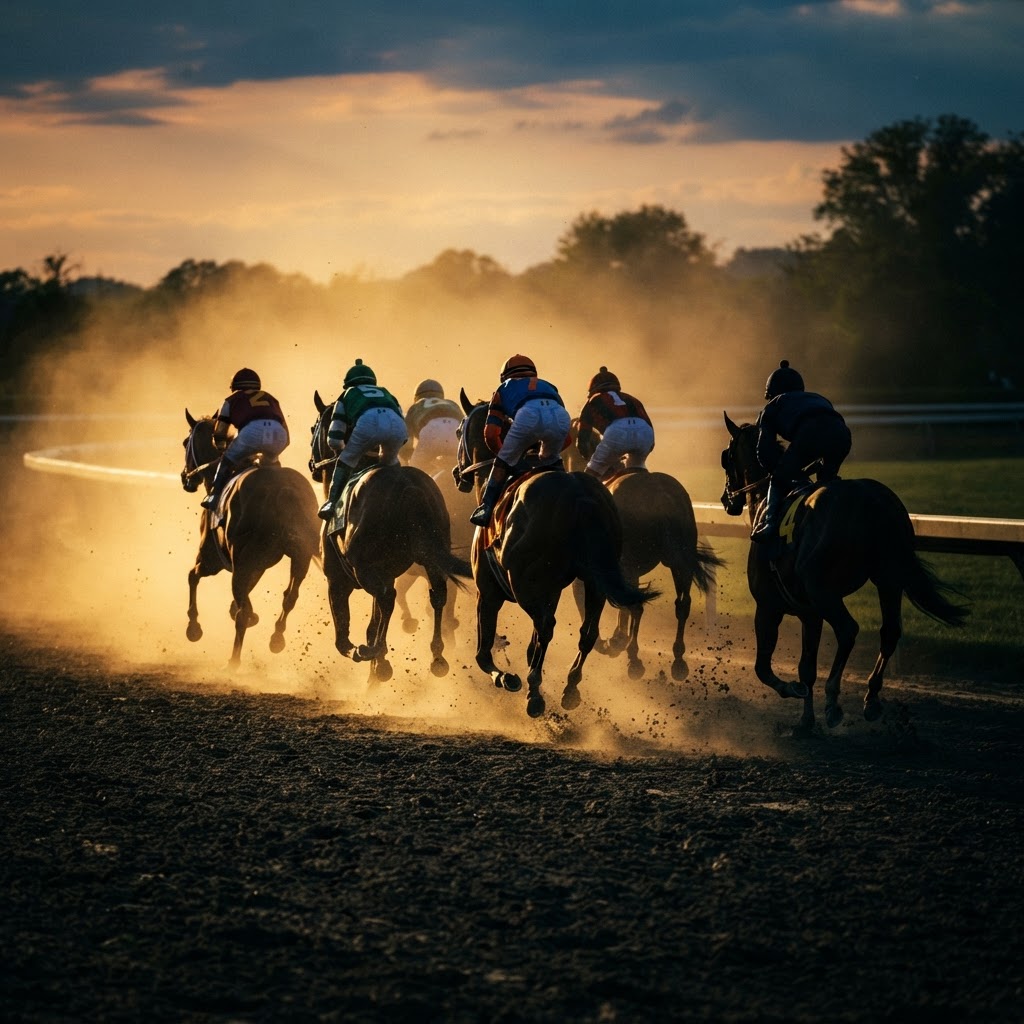
Breeders' Cup 2026 Longshots: How to Find Value at a Big Price
Why the prices show up
There is a reason the Breeders' Cup produces boxcar payoffs every year. Championship fields are deep, they are full of horses that have never met, and they include shippers from other countries and trainers nobody in the pool has watched all year. The public bets what it recognizes. That creates overlays for anyone willing to do the reading.
The best races for a price are the ones with the most chaos: turf routes with big fields, sprints where the pace collapses, 2-year-old races, and anything run over a surface softened by October rain in Kentucky.
The four things to check
1. Hidden trouble in the last line. This is the highest-percentage angle in racing. A horse that finished fifth by six lengths may have been checked at the quarter pole, forced five wide, or blocked with nowhere to go. Watch the replay before you accept the chart. If the trip was a disaster and the horse still ran on, the price is wrong.
2. A pace setup that will not hold. Count the speed. If a race has four or five horses committed to the front, the honest closer sitting at 20-1 is a far better bet than the favorite who needs the lead. Pace meltdowns are how longshots win Grade 1s.
3. Class, but read it properly. A drop in class means nothing on its own. What matters is who the horse is dropping in against: a horse that was graded-stakes placed can be a monster at this level, and a horse that was beating claimers can be exposed.
4. Surface and distance. The Breeders' Cup is where horses try things they have not tried. Twelve furlongs on turf, 1 1/4 miles on dirt, a downhill turf sprint — each one eliminates horses who look great on paper. Pedigree and prior surface form decide these races more than recent figures do.
Three traps that cost people money
- Betting a familiar name. A horse that was a star last season at 3-1 in a field full of fresher horses is not a longshot play. It is just a shorter price on older form.
- Overweighting one big speed figure. One freakishly fast number, often earned in an easier spot, gets baked into the odds. Consistency beats a single spike.
- Ignoring the draw and the trip in a 14-horse field. Post position and traffic are part of the form on championship weekend. A bad draw can turn a contender into a closer who needs luck.
How to bet a longshot
You do not have to bet your longshot to win. Most professional players use prices underneath:
- Exactas and trifectas — put the longshot in the second, third, and fourth slots and let the favorites do the winning.
- Part-wheels — one key horse with several contenders underneath, or several contenders on top with your price underneath.
- Horizontal tickets — a single 20-1 shot in a Pick 4 or Pick 5 leg is what turns a modest ticket into a headline.
Decide in advance how much a price is worth to you, and be willing to pass. The races you skip are as important as the races you play.
Tomorrow and Saturday
Tomorrow's post covers Future Stars Friday — the five 2-year-old championship races, and the checklist for reading horses with almost no form. Saturday's covers the $7 million Classic.
Our picks page has the selections we actually play. For the full method behind these angles — replay reading, pace projection, class evaluation, and knowing your minimum price — see The Handicapper's Edge, seven playbooks built for exactly this kind of card.
Want premium picks with higher confidence?
Upgrade to Premium
