How Do You Read a Horse's Body Language Before a Race?
Understanding Equine Signals
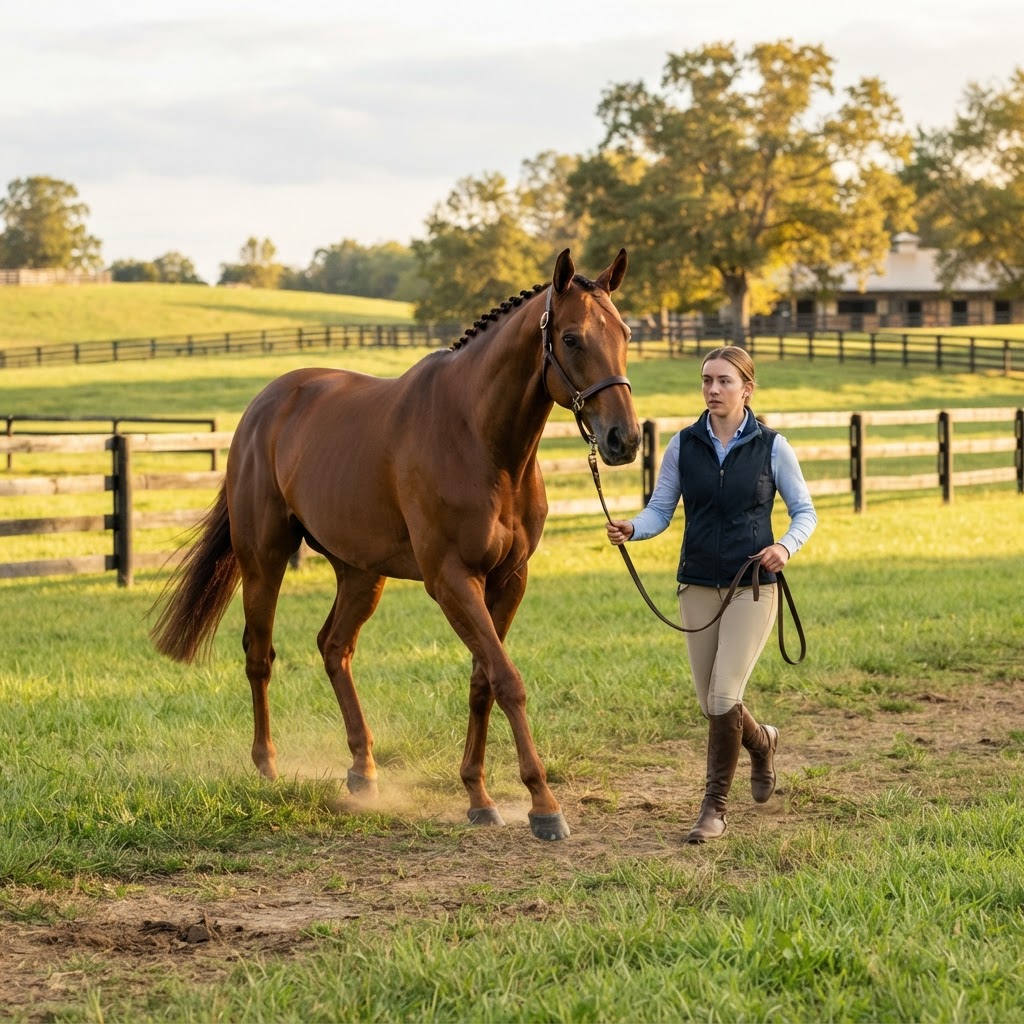
When you stand at the rail or study the paddock feeds, the most common question remains: how do you read a horse's body language before a race? Mastering this skill is about separating the professional athlete from the nervous wreck. A horse that is 'on its toes' can be a sign of prime fitness, while a horse that is washing out in sweat or showing agitated, frantic movement often signals a energy-burning meltdown before the gates even open. Reading a horse is not about finding a winner; it is about filtering out the red flags that warrant a pass, consistent with the 15-minute race filter methodology taught in The Handicapper's Edge.
The Paddock as a Data Source
Think of the paddock not just as a staging area, but as your final opportunity to validate your pace map. If you have identified a 'Comfortable Leader' but the horse is fractious, tossing its head, or showing signs of extreme stress, that physical data overrides your analytical forecast. Our approach at Track Tipster emphasizes that professional handicapping is a process of elimination. If a horse is not moving with a fluid, confident gait, you are better off seeking value elsewhere, even if the past performances suggest they should be the favorite.
Identifying the 'Hidden Form' Clues
Sometimes, a horse appears dull or sluggish, yet upon closer inspection, you notice a healthy coat, rhythmic breathing, and a focused eye. This can be a sign of a 'Hidden Form Rebound.' Unlike a horse that is merely lethargic, these individuals are often conserving energy. Conversely, watch for the 'Honest Class Drop' candidates. These veterans often look professional and settled in the paddock, contrasted against the jittery, inexperienced maidens. Understanding how do you read a horse's body language before a race often comes down to comparing the confidence of the seasoned veteran against the anxiety of the debutant.
Integrating Body Language into Your Betting Framework
At Track Tipster, we teach that body language is the final check in our seven-playbook system. Whether you are hunting for 'Replay Revenge' or setting up a 'Pace Meltdown' scenario, your assessment of the horse's physical state must inform your final ticket construction. If your data points toward a horse, but the animal is displaying negative body language, you must reassess your 'Buy the Price' strategy. If that horse is a 2-1 favorite, but looks like a nervous wreck, the math no longer supports a bet. You must make your probabilities total 100%, convert them to break-even odds, and set a written minimum for every wager. If the price on the board is less than your minimum, you pass.
Grading Your Tickets
When constructing A/B grids for multirace tickets or exacta and trifecta combinations, body language can help you decide which horses to exclude from your 'A' list. If you are building a 'Controlled Pick 6' portfolio, do not let an emotional reaction to a horse's appearance override your bankroll limits. Keep a ledger to record your observations before the race result is known. This practice prevents the hindsight bias that ruins many bettors, ensuring you learn exactly how do you read a horse's body language before a race through objective, recorded experience.
Managing the 15-Minute Race Filter
In The Handicapper's Edge, we emphasize the importance of the 15-minute race filter. This is the window where the noise of the crowd and the temptation of longshot odds can cause you to deviate from your plan. When you look at a horse, ask yourself: is this behavior consistent with a winner? Watch the ears and the tail. Pinned ears can signal aggression or frustration, while a relaxed tail suggests the horse is calm and ready to perform. If the physical signals contradict your pace scenario—whether it's an E (Early) speed horse failing to show focus or a S (Stalker) horse looking overly agitated—stick to your discipline. Pass the race if the factors don't align.
Conclusion
Reading a horse's body language is the art that complements the science of handicapping. It allows you to move beyond the Racing Form and verify that the horse you are betting is mentally and physically prepared to execute the strategy you have built. Use these observations to refine your picks, protect your bankroll, and maintain the discipline required to succeed in the long run.
Want the full method? The Handicapper's Edge walks through seven practical playbooks in depth, from the price gate to Pick 6 construction.
- Buy the ebook for $12.99 — download it here
- Or get it free with Elite Member Access, which includes every daily pick we publish — see Elite pricing
Want premium picks with higher confidence?
Upgrade to Premium
